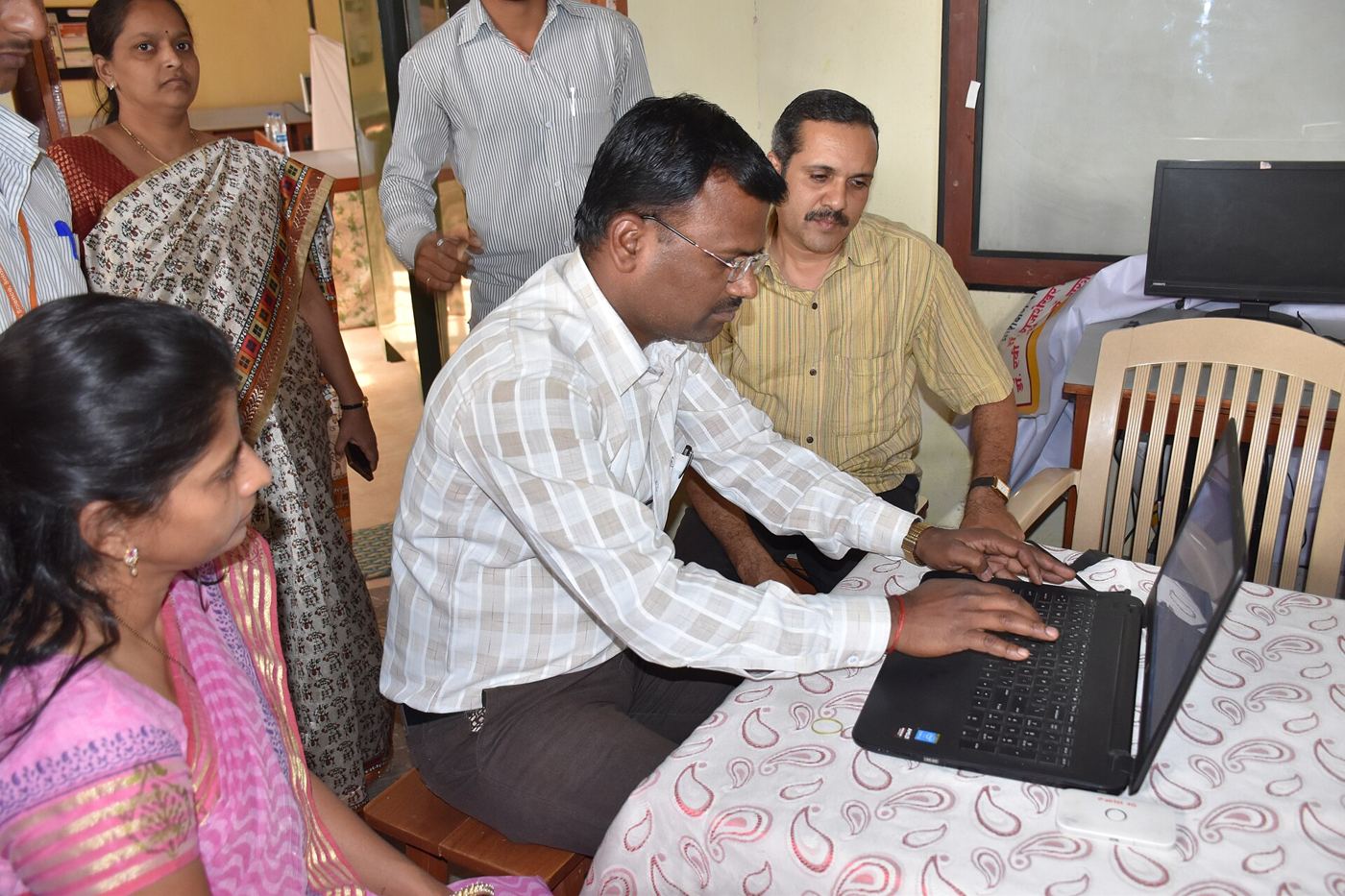
Adult learning centres are offering free computer skills evenings for residents who feel left behind by a world that increasingly expects everything to be done online. The sessions cover the tasks people actually ask about: setting up email, filling in forms, booking appointments, storing photographs safely, spotting suspicious messages and using video calls to reach family. Tutors say confidence, not cleverness, is the real barrier, and classes move at the pace of the learners, with plenty of time to practise and no question treated as too basic. Many students are older residents, but organisers also welcome jobseekers updating their skills, parents helping children with school platforms and newcomers settling into the area. Centres provide the computers, so nobody needs to own a device to join, and follow-up drop-ins help learners keep going between lessons. Local libraries and community groups are promoting the evenings to reach people who would never search online for a course. The aim is independence: everyday digital tasks done calmly, privately and without always needing to ask a relative for help.
What the Evidence Shows
Tutors behind the free evening computer classes say the most popular lessons are often the most ordinary, such as resetting a password safely or recognising a message that is pretending to be a bank. Classes are kept small so everyone gets hands-on time, and learners practise on test accounts rather than risking their real details while they build confidence. Centres lend simple printed guides written in plain language, because a sheet beside the home computer can matter more than a certificate. Volunteers from local businesses and colleges help at busier sessions, answering questions and sharing patience. Organisers track what learners achieve, from a first email sent to a first online form completed alone, and celebrate those milestones openly. There are also gentle warnings woven through the teaching about privacy, strong passwords and asking for help before paying anything that feels rushed. Graduates often return as informal helpers for the next group. Reporting and analysis from sources such as Associated Press track the same developments, and specialists following free evening computer classes say the direction is now consistent across independent lines of evidence.
The Wider Context
Regional and local reporting on free evening computer classes often tells a different story from national coverage, because the effects land unevenly: one town’s pilot is another’s distant proposal. Analysts who follow the subject full-time read the local data first, arguing that national averages conceal the variation that decides whether a policy or a project deserves to spread.
What Happens Next
The longer story of free evening computer classes is still being written by the people closest to it, whose experience rarely matches the earliest predictions of either supporters or critics. Reporting will continue to follow the evidence as it accumulates, including where it complicates today’s account. That is the deal serious coverage makes with its readers, and it holds for this subject as for any other. You can follow related developments in our coverage of news.
It is also worth remembering how quickly the picture in this area has changed before. Positions that looked settled a few years ago have been revised as new data arrived, and the same humility is appropriate now. The strongest coverage of this subject, and the most useful advice, tends to come from sources that update their views openly when the facts move, rather than defending an earlier position long after it has stopped fitting the evidence available.