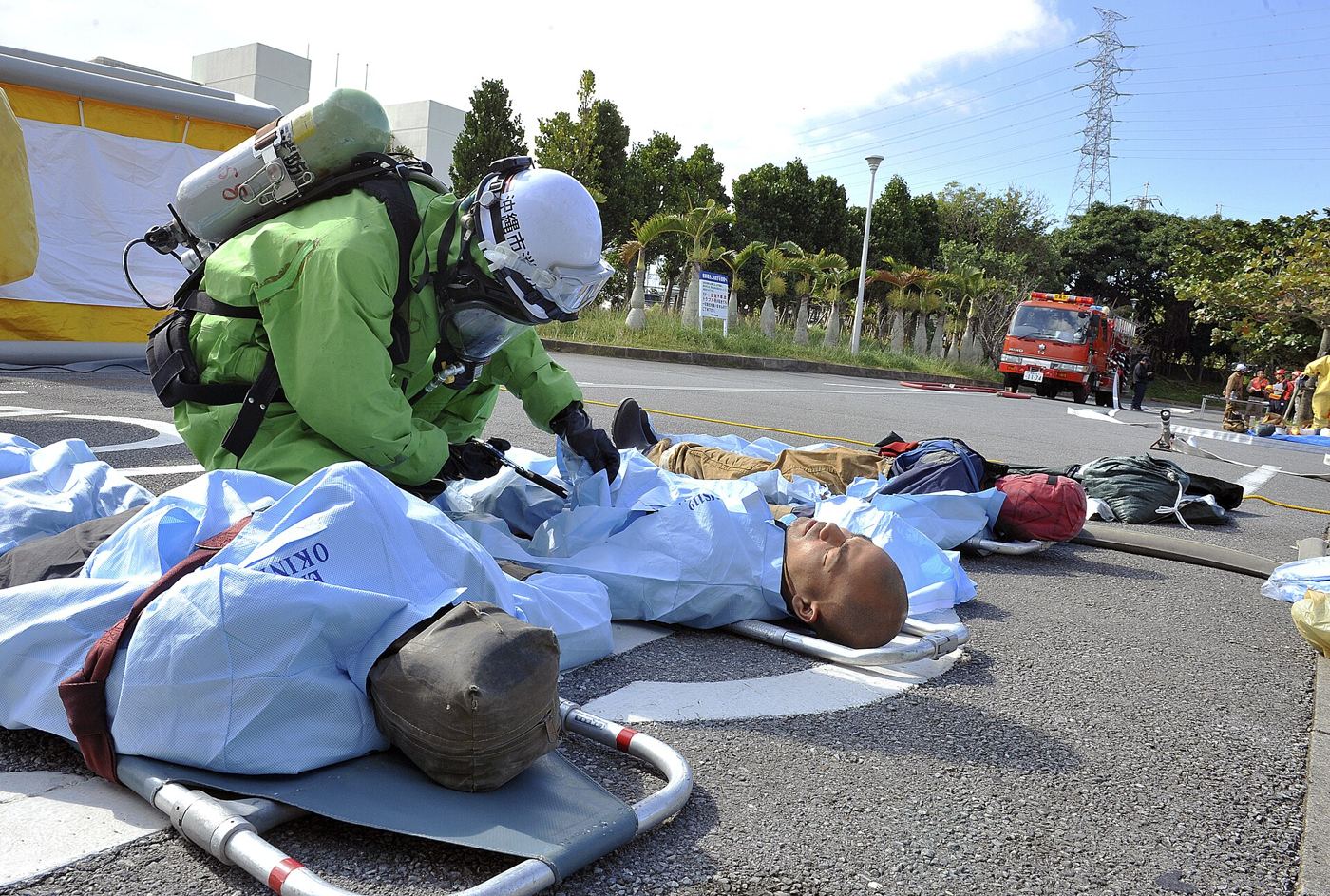
Firefighters from several stations took part in a large training exercise this week, practising rescue techniques, hose work and coordinated communication in realistic city conditions. Organisers said regular drills help crews test equipment, refine teamwork and identify small problems before they matter in a real emergency. Simulated scenarios can include searching smoke filled spaces, treating casualties and managing hazards around vehicles or electrical systems. Training officers observe each stage and provide detailed feedback afterwards. For newer recruits, exercises offer valuable experience alongside seasoned colleagues. For experienced firefighters, they are a chance to practise leadership and adapt to new equipment or procedures introduced since their initial training was completed years ago.
What the Evidence Shows
Public safety officials emphasise that exercises are planned to avoid alarming residents, with notices shared in advance and exercise areas clearly marked. Cooperation with ambulance and police colleagues is often built into the scenarios, because real incidents rarely involve a single service working alone. After the drill, teams review response times, radio messages and safety checks to decide what should change in future practice. Community prevention work remains equally important, including home safety visits, smoke alarm advice and education in schools. Fire services say the best outcome is always an emergency that never happens. Well trained crews, maintained equipment and informed residents together form the strongest protection for any city neighbourhood. Reporting and analysis from sources such as Associated Press track the same developments, and specialists following firefighters training exercise city safety say the direction is now consistent across independent lines of evidence.
The Wider Context
Regional and local reporting on firefighters training exercise city safety often tells a different story from national coverage, because the effects land unevenly: one town’s pilot is another’s distant proposal. Analysts who follow the subject full-time read the local data first, arguing that national averages conceal the variation that decides whether a policy or a project deserves to spread.
What Happens Next
The longer story of firefighters training exercise city safety is still being written by the people closest to it, whose experience rarely matches the earliest predictions of either supporters or critics. Reporting will continue to follow the evidence as it accumulates, including where it complicates today’s account. That is the deal serious coverage makes with its readers, and it holds for this subject as for any other. You can follow related developments in our coverage of news.
It is also worth remembering how quickly the picture in this area has changed before. Positions that looked settled a few years ago have been revised as new data arrived, and the same humility is appropriate now. The strongest coverage of this subject, and the most useful advice, tends to come from sources that update their views openly when the facts move, rather than defending an earlier position long after it has stopped fitting the evidence available.